Does the Illuminati Worship God or Satan?
According to this perspective, the question “illuminati worship God or Satan” is often misunderstood. Moreover, the Illuminati is not a religion, nor does it require its members to abandon or replace their personal faith. Instead, individuals from all religious backgrounds remain free to practice the beliefs, traditions, and forms of worship they choose. As a result, personal spirituality is treated as a private matter rather than a condition of membership.
Freedom of Religion and Personal Belief
First, this view strongly emphasizes freedom of religion and belief. Members are said to retain their original faith without pressure to convert, modify, or reject their spiritual identity. In addition, they continue practicing their religious traditions according to personal conviction and cultural background.
Furthermore, this perspective highlights tolerance and diversity. People from different religions are described as coexisting within the same structure without religious conflict or enforced doctrine. Consequently, belief systems remain separate from organizational participation.
Membership Based on Principles, Not Religion
Furthermore, membership is not based on religious affiliation. Instead, it is based on shared principles, commitment, discipline, and the pursuit of knowledge and excellence. As a result, individuals from different backgrounds can participate under common goals rather than shared theology.
In addition, this view explains that unity comes from values rather than religion. Members are connected through personal development, intellectual growth, ambition, and responsibility. Therefore, religious differences do not determine inclusion or exclusion.
Moreover, this structure focuses on cooperation and self-improvement rather than worship practices. Members are encouraged to develop skills, expand knowledge, and pursue excellence. Consequently, spiritual identity remains separate from organizational purpose.
Clarifying the Question: Does the Illuminati Worship God or Satan
In addition, this perspective directly addresses the claim behind the phrase illuminati worship God or Satan. It clearly rejects the idea that the Illuminati worships Satan or engages in Satanic rituals.
Moreover, it states that the organization does not center its beliefs or practices on Satan worship or any related religious system. Instead, it emphasizes that such claims often arise from conspiracy theories, misinformation, and fictional portrayals.
Furthermore, this view explains that many of these ideas spread through movies, social media, and online speculation. As a result, symbolic interpretations are often mistaken for factual practices.
Addressing Misconceptions and Misinterpretations – Does the illuminati worship God or Satan
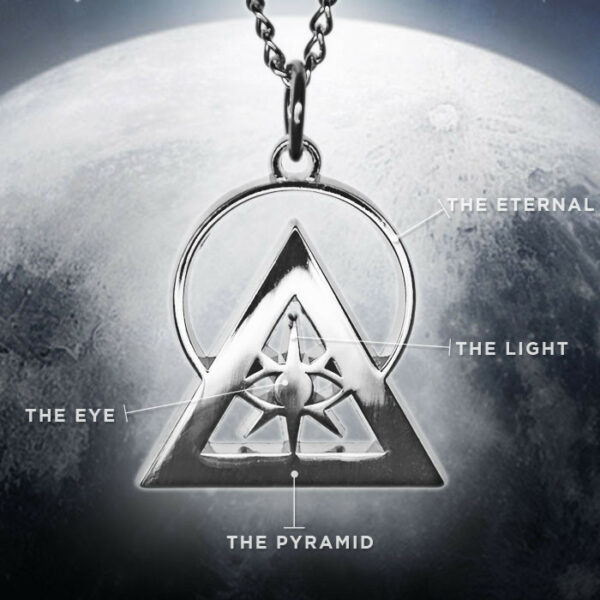
In many cases, misconceptions develop when symbols are taken out of context. For example, imagery such as pyramids, eyes, or ancient symbols may be interpreted as having hidden religious meanings. However, this perspective argues that such interpretations are often speculative and not supported by evidence.
Additionally, repetition of sensational claims online increases their visibility. Therefore, many people may believe these ideas without verifying historical sources or credible documentation.
Why the Question Persists Online
Moreover, the question illuminati worship God or Satan continues to trend because mystery attracts attention. Sensational topics often spread faster than factual explanations, especially on social media platforms.
As a result, discussions about secret societies often mix fact, fiction, and entertainment. Consequently, it becomes important to separate verified information from speculation.
Final Understanding
Ultimately, this view presents the Illuminati as non-religious in structure and inclusive in belief. Therefore, it separates membership and purpose from any form of required worship, whether toward God or Satan.
In conclusion, it maintains that individuals are free to follow their own faith while participating based on shared principles such as knowledge, discipline, and excellence. Consequently, religious identity is treated as independent from organizational involvement, and worship is not defined as a requirement within this perspective.